
How to Become a Fashion Designer Without a Degree in Australia (2027 Guide)
By Annette Miller | Course Principal, La Mode College
Dreaming of becoming a fashion designer but don’t have a fashion degree? You might be surprised to learn that university isn’t the only pathway into the fashion industry.
Perhaps you’ve always loved fashion but chose a different career. Maybe you work in retail and dream of moving into a fashion design role. Or perhaps you’re finishing school and wondering whether you really need to spend three years at university to pursue your passion.
Here’s the good news: you don’t legally need a university degree to work as a fashion designer in Australia.
However, fashion design is a competitive industry. Employers want people who can do more than sketch beautiful clothes. They need designers who understand how to develop commercially viable collections, create technical drawings, prepare garment specifications and communicate with manufacturers.
According to SEEK’s Australian fashion designer career guide, there is no mandatory formal qualification or industry accreditation for the occupation. However, relevant qualifications, a portfolio and work experience are highly regarded.
So, if you want to become a fashion designer without studying at university, where should you start?
In this guide, we’ll explore the skills you need, how to build a fashion design portfolio without experience, which software to learn, and how to choose the right training pathway.
Can You Really Become a Fashion Designer Without a Degree?
Yes. It is possible to become a fashion designer without a university degree in Australia. But you’ll need to demonstrate that you have the technical, creative and commercial skills required for the role.
Fashion design isn’t a regulated profession requiring every designer to hold a university qualification.
Some designers enter the industry through vocational education, professional courses, practical experience, internships or self-directed learning.
Others develop their skills while working in fashion retail, buying, production or product development.
And some aspiring designers use their skills to launch independent clothing brands rather than seeking employment with an established fashion company.
However, it’s important to understand the difference between not needing a degree and not needing training.
Many employers prefer applicants with relevant qualifications, technical experience or a strong portfolio.
According to Jobs and Skills Australia, fashion designers enter the industry with a variety of educational backgrounds, including university degrees, diplomas and other training pathways. While formal qualifications are common, there is no single educational pathway to becoming a fashion designer.
The takeaway? A university degree isn’t your only option, but developing genuine industry skills is essential.
What Does a Fashion Designer Actually Do?
Many people imagine fashion designers spending their days sketching beautiful clothing, choosing fabrics and attending fashion shows.
While creativity is important, the reality of fashion design is much more technical and commercially focused.
Depending on their role, fashion designers may be responsible for:
- Researching fashion trends and consumer preferences.
- Developing concepts for new clothing collections.
- Creating mood boards and colour palettes.
- Designing garments using Adobe Illustrator or other software.
- Producing technical fashion drawings.
- Selecting fabrics, prints and trims.
- Preparing garment specification sheets and tech packs.
- Communicating with clothing manufacturers.
- Reviewing samples and correcting fit or construction problems.
- Working within production budgets and commercial price points.
The Australian Government’s Jobs and Skills Australia occupation profile identifies research, design development, material selection, technical documentation and sample development among the occupation’s responsibilities.
Fashion Design Is Both Creative and Technical
One of the biggest misconceptions about fashion design is that you need to be an exceptional artist.
While drawing skills can help, professional fashion design involves much more than freehand sketching.
For example, you might have a beautiful design for a linen dress.
But can you communicate the measurements to a manufacturer? Can you create a technical drawing showing the seams, closures and construction? Do you understand which fabric will achieve the desired silhouette?
These are the skills that turn creative ideas into real products.
If you’re beginning your fashion career, learning the technical side of fashion design can be just as valuable as developing your creativity.
7 Essential Skills You Need to Become a Fashion Designer
If you’re wondering what to learn first, these seven skills provide a practical foundation.
1. Fashion Trend Research and Collection Development
Fashion designers need to understand what customers want to wear.
This involves researching trends, identifying target customers, analysing colours and silhouettes, and developing collections that suit a particular market.
A designer working for an Australian activewear company, for example, will approach collection development differently from someone designing luxury eveningwear.
You’ll need to understand:
- Trend forecasting and research.
- Target customers and market positioning.
- Colour palettes and seasonal themes.
- Collection planning.
- Commercial product ranges.
Beginner exercise: Choose a fashion brand you admire and create a mood board for a six-piece collection designed for its target customer.
2. Adobe Illustrator and Digital Fashion Design
Adobe Illustrator is one of the most useful software programs for aspiring fashion designers.
Unlike traditional illustration, Illustrator allows designers to create editable vector artwork that can be used for technical drawings, garment details and print development.
Learning Illustrator can help you create:
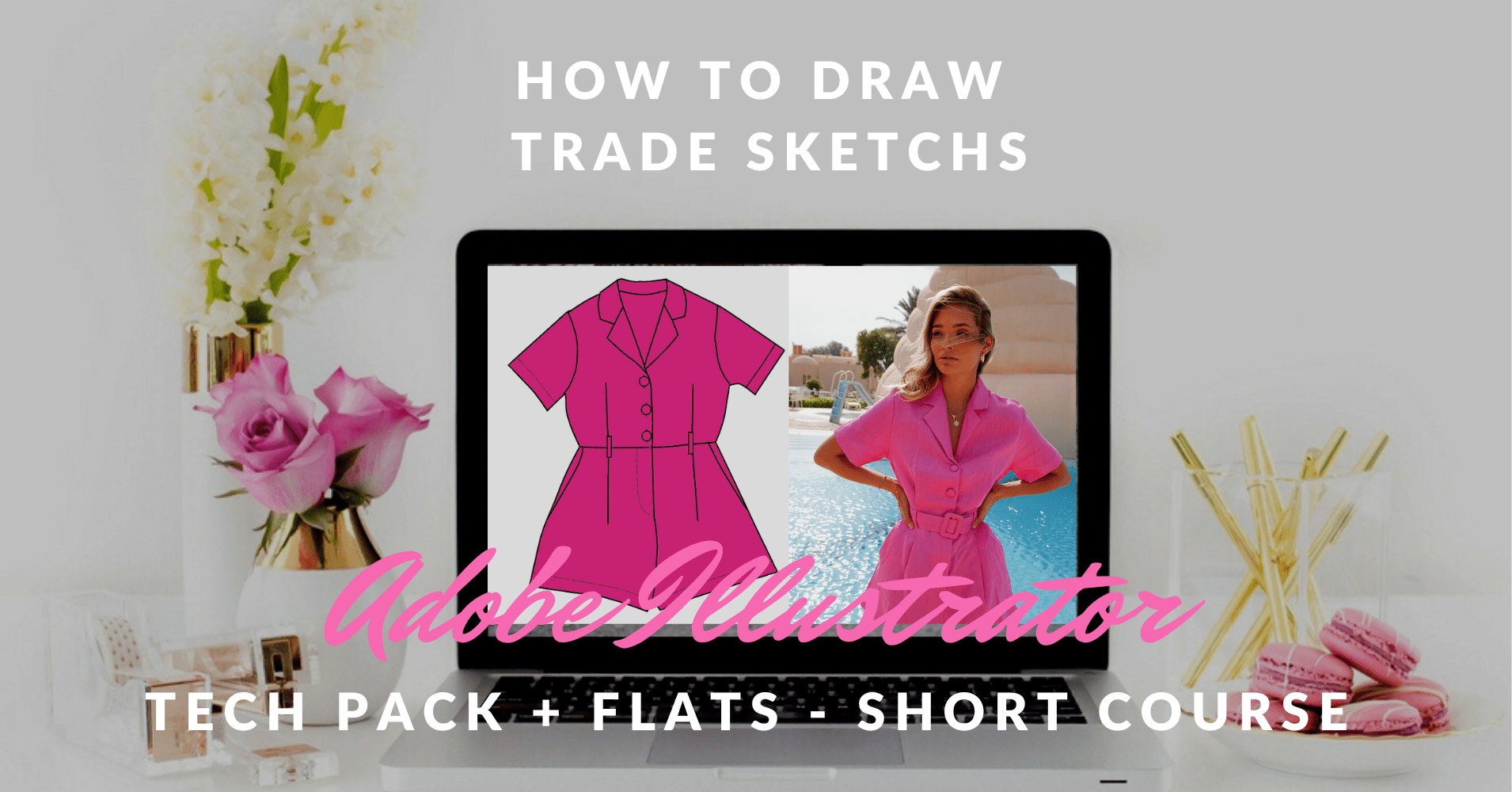
- Front and back technical garment drawings.
- Professional fashion flats.
- Colourways.
- Repeat prints and placement artwork.
- Technical design details.
- Visual information for tech packs.
According to SEEK’s fashion designer career information, Adobe Illustrator and other digital design skills appear among the skills sought by Australian employers.
You don’t need to master every Illustrator feature immediately.
Start with learning how to draw a simple garment accurately, then progress to more complicated construction details.
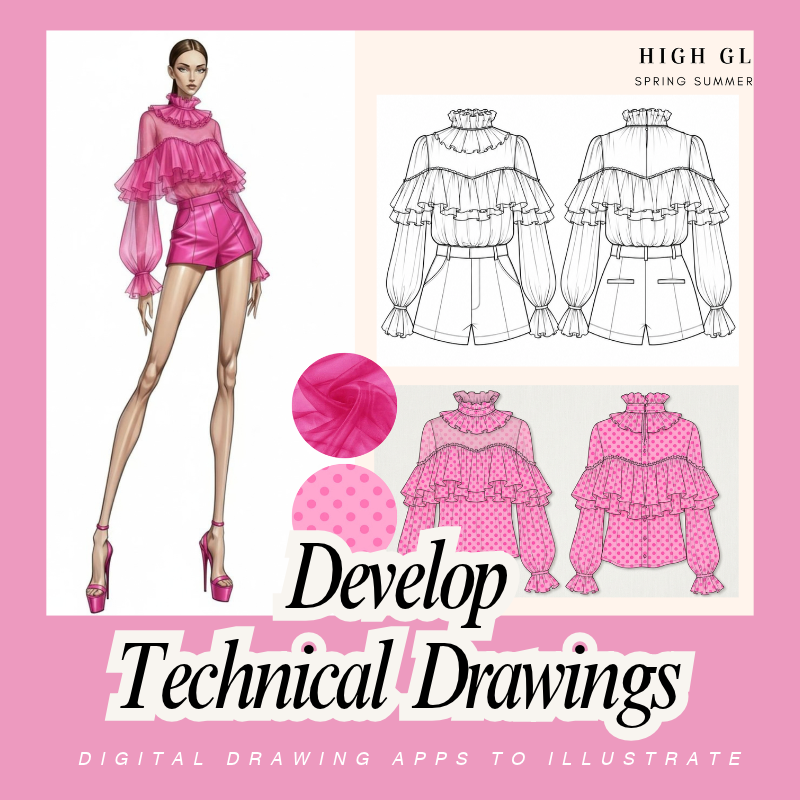
3. Technical Fashion Drawings
Technical drawings are different from creative fashion illustrations.
A fashion illustration shows how a garment might look on a person.
A technical fashion drawing shows how the garment is designed and constructed.
Technical drawings usually include front and back views, with details such as:
- Necklines.
- Seams.
- Darts.
- Pockets.
- Waistbands.
- Zippers.
- Stitching.
- Hems.
These drawings help communicate designs to other people involved in product development.
Portfolio tip: Including accurate technical drawings can demonstrate that you understand how fashion designs are prepared for production.
 4. Garment Measurements and Tech Packs
One of the most valuable skills for an aspiring designer is learning how to prepare a garment for manufacturing.
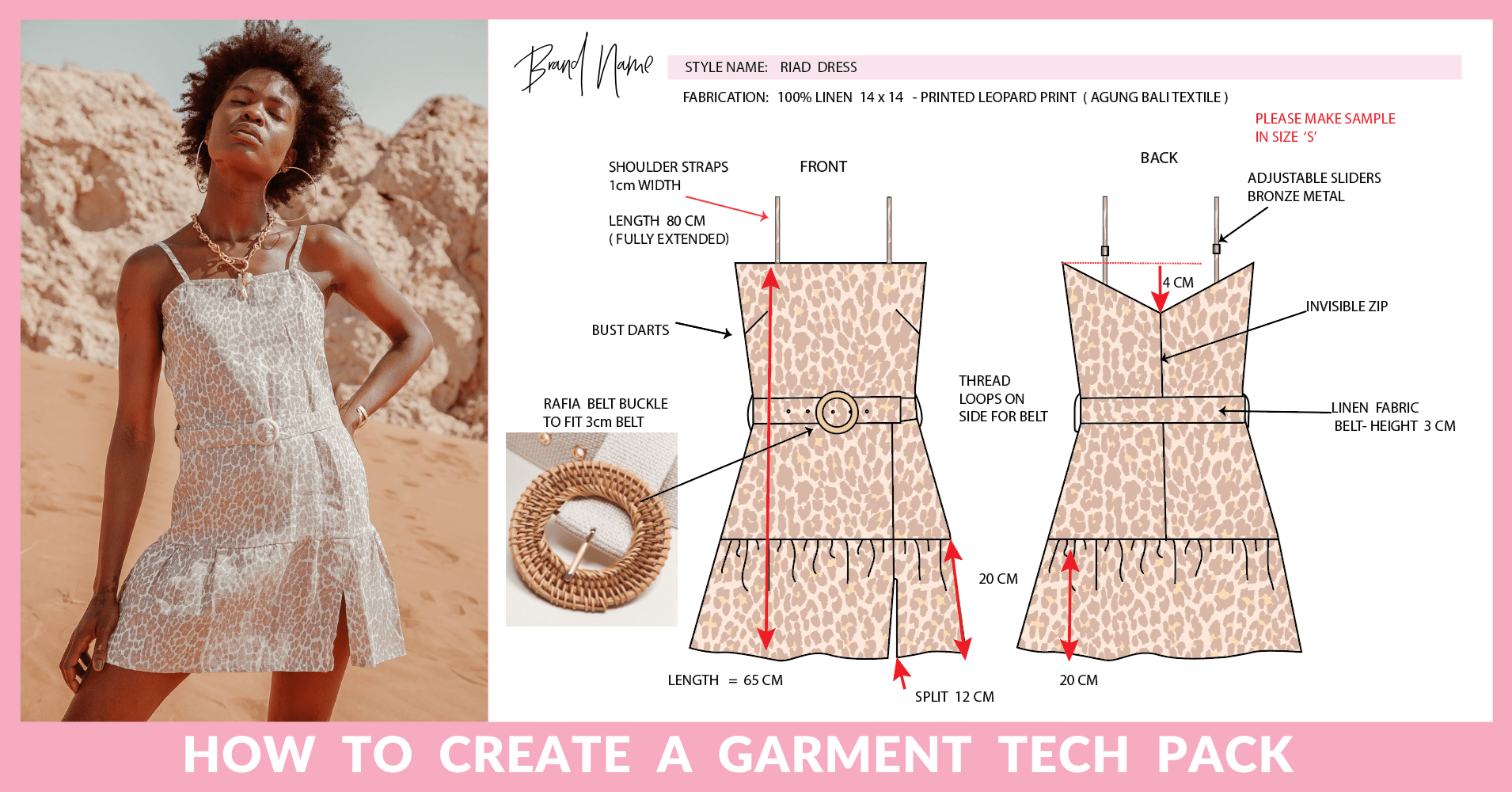
A fashion tech pack is a document that communicates the technical information a manufacturer needs to develop a garment.
It can include technical drawings, measurements, fabric specifications, construction details and trims.
Without clear specifications, manufacturers may have to make assumptions about your design.
Learning to create tech packs helps you communicate more professionally and understand the product development process.
Related reading: How to Create a Fashion Tech Pack for Clothing Manufacturers.
This step-by-step tutorial explains how to create technical drawings, measurement specifications and other essential manufacturing information.
5. Fabric and Textile Knowledge
Understanding fabrics is essential because the materials you select affect how your designs look, fit and perform.
For example, a dress made from lightweight rayon may drape very differently from the same design made in structured cotton.
Fashion designers benefit from understanding:
- Natural and synthetic fibres.
- Woven and knitted fabrics.
- Fabric weights.
- Stretch and recovery.
- Fabric finishes.
- Colour and print techniques.
- Fabric suitability for different garment styles.
You don’t need to become a textile scientist, but you should understand enough to make informed design decisions.
6. Garment Construction and Product Development
Even if you don’t plan to sew every garment yourself, understanding how clothing is constructed is valuable.
You’ll need to recognise common garment components and construction methods.
For example, you should understand how seams, hems, darts, closures and linings influence the finished garment.
This knowledge helps you prepare more accurate technical drawings and communicate with sample makers and manufacturers.
If your goal is to start a clothing brand, it can also help you identify problems during sampling before committing to production.
7. Commercial Fashion Design Skills
Fashion design is a business.
A commercially successful collection must appeal to its target customer while meeting appropriate quality, production and pricing requirements.
Designers may need to consider:
- Target retail prices.
- Fabric and manufacturing costs.
- Product margins.
- Customer preferences.
- Competitor ranges.
- Collection budgets.
- Product performance.
This is especially important if you’re planning to launch your own clothing label.
For a deeper explanation of clothing-brand pricing and profitability, read our guide: How to Start a Profitable Clothing Brand: Pricing, Marketing and 7 Costly Mistakes to Avoid.
How to Build a Fashion Design Portfolio With No Experience
You don’t need to have worked for a fashion company to begin creating a fashion design portfolio.
A portfolio can include original projects that demonstrate your creative process and technical skills.
For someone without previous industry experience, this is an important opportunity to show what they can do.
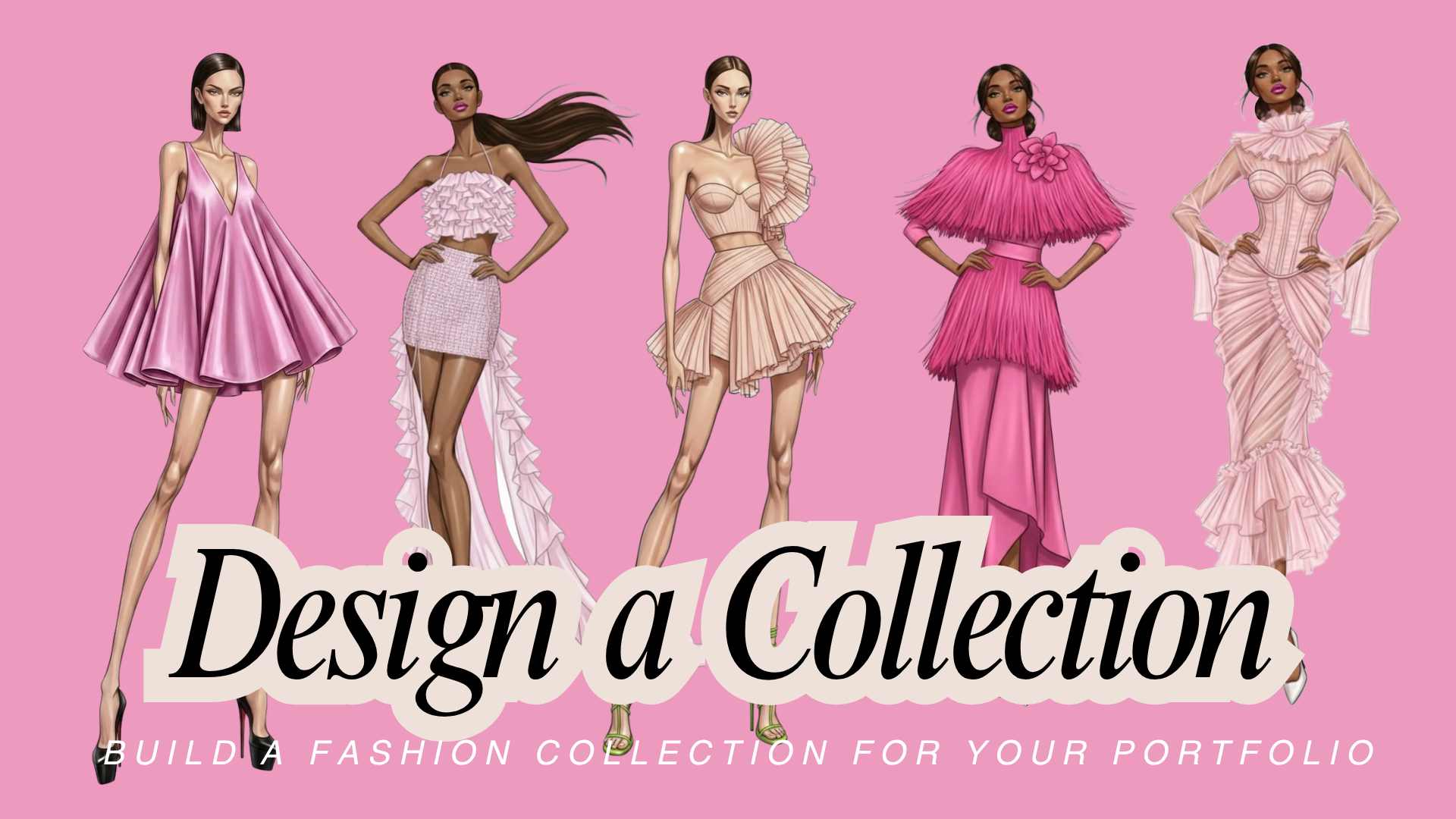
Rather than filling your portfolio with dozens of unrelated sketches, I recommend developing a small, cohesive collection.
For example, you could create a six-piece women’s resortwear collection.
Your portfolio might include the following:
| Portfolio Element | What It Demonstrates |
|---|---|
| Trend research board | Understanding of fashion trends and market direction |
| Customer profile | Awareness of the target consumer |
| Mood board | Creative direction and collection concept |
| Colour and fabric board | Material and colour selection |
| Six-piece collection overview | Collection development and product planning |
| Front and back technical flats | Digital technical drawing skills |
| Garment specification sheet | Understanding of measurements |
| Sample tech pack page | Technical product development knowledge |
What Makes a Fashion Design Portfolio Stand Out?
A strong beginner fashion portfolio should demonstrate how you develop a design from an idea into a commercially considered garment.
For example, rather than presenting only a beautiful illustration of a dress, include the technical drawing, fabric selection and garment specifications.
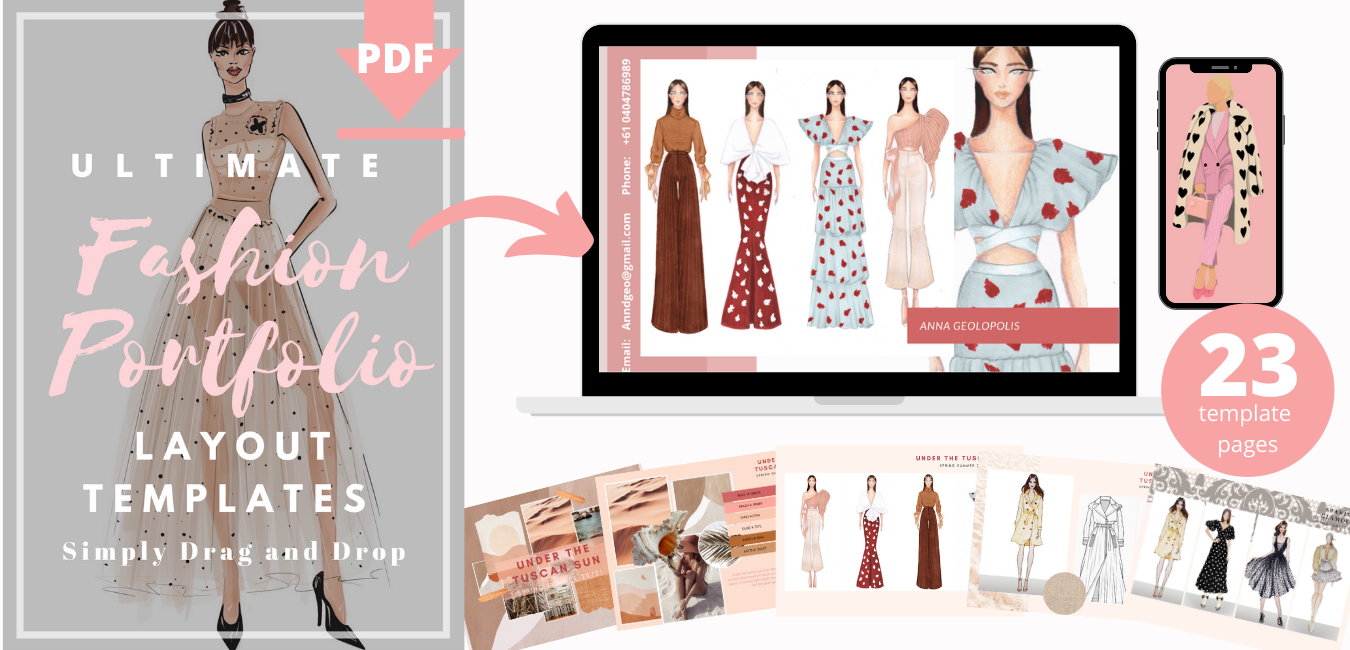
This helps show that you understand the practical work involved in fashion design. We offer Fashion Portfolio Templates here.
 Can You Create a Portfolio While Studying Online?
Yes.
Online fashion design training can provide a structured way to develop projects and practise technical skills.
At La Mode College, our Certificate of Professional Fashion Design includes practical assignments designed to help students develop fashion design work, including technical drawings, garment specifications and collection development.
These projects can contribute to a beginner portfolio.
Want to develop practical fashion design skills and start building your portfolio?
Explore our online Certificate of Professional Fashion Design to learn more about the training and course projects.
What Qualifications Do You Need to Become a Fashion Designer in Australia?
There are several pathways into fashion design, and the right choice depends on your goals, budget, experience and preferred learning style.
Option 1: University Fashion Design Degree
A university fashion design degree typically involves several years of structured study.
Depending on the institution, students may explore design theory, fashion history, garment construction, textiles, technology and collection development.
University study can be suitable for people who want a comprehensive academic experience, access to specialist facilities and opportunities to build industry connections.
However, it requires a significant time commitment and financial investment.
Option 2: Vocational Fashion Qualifications like TAFE
Vocational education and training like TAFE can offer practical fashion-related qualifications.
These may include certificates and diplomas in fashion, apparel, textiles or design.
Some programs focus on garment construction, patternmaking, technical production or other specialist skills.
Option 3: Online Fashion Design Courses
Professional online courses can be an alternative for people who want to develop practical skills without attending university full-time.
They can be particularly appealing to:
- Aspiring clothing-brand founders.
- Students exploring fashion as a career
- Fashion retail employees.
- Students in high school or studying full time
- Students working full time
- Adults returning to study, and wanting to Upskill without going back to Uni
However, online courses vary significantly. You want to look for one that is Professional, as opposed to ‘hobby’ related. The price generally indicates the quality level. Anything under $500 is usually hobby level as opposed to industry level.
Some online fashion courses focus mainly on creative sketching, while others teach digital design software, technical drawings, garment specifications and commercial fashion skills.
Before enrolling, review the curriculum and confirm the type of certificate or qualification awarded, and the learning outcomes.
 Option 4: Self-Taught Fashion Design
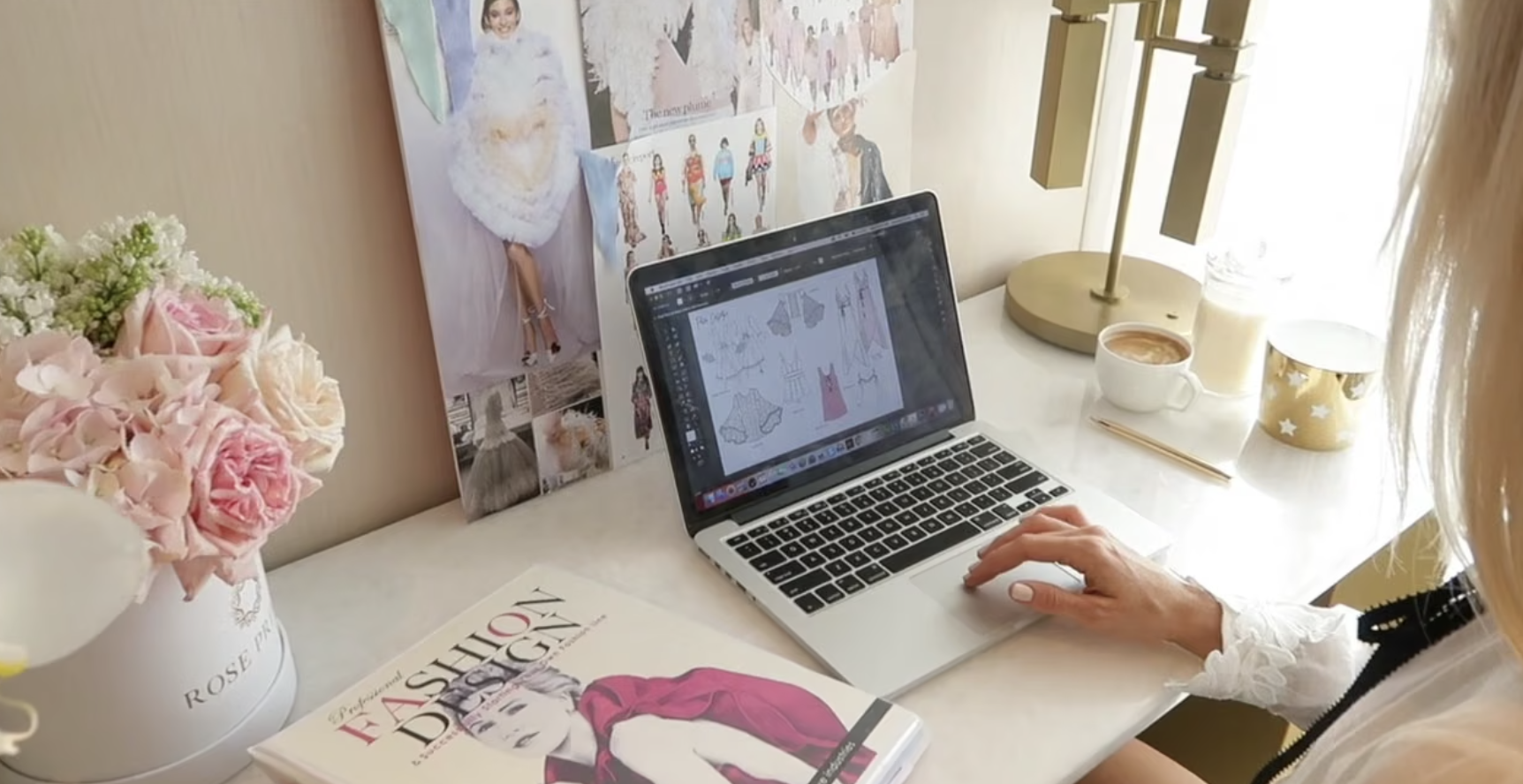
It is possible to begin learning fashion design independently through books, tutorials, software practice and personal projects.
This can be a useful way to explore whether fashion design interests you.
However, self-directed learning can make it harder to identify which skills employers expect and whether your technical work meets professional standards.
A structured course can provide a clearer learning sequence and opportunities for feedback.
Which Fashion Design Pathway Is Best?
| Pathway | May Suit You If |
|---|---|
| University degree | You want an extensive academic program and campus experience- full time |
| Vocational qualification | You want recognised vocational training in specific practical skills – full time |
| Professional online certificate | You want flexible, structured training focused on industry skills- with flexible part time hours from home |
| Self-directed learning | You want to explore fashion design independently before investing in training |
There is no single best pathway for everyone.
The most important question is whether your chosen training will help you develop the skills required for your intended career or business goals.
How Long Does It Take to Learn Fashion Design?
The time required depends on what you want to achieve.
Learning the basics of fashion illustration is very different from developing the skills needed to manage an entire clothing collection.
For example:
First few weeks: You might learn basic fashion terminology, trend research, mood boards and simple digital drawing techniques.
First few months: With focused practice, you may begin creating technical drawings, developing collections and preparing basic garment specifications.
Longer-term development: Advanced patternmaking, fit assessment, complex garment construction and professional product development generally require additional practice and experience.
A short course can help you build foundational skills, but it should not be confused with the experience gained through years of professional design work.
Can You Study Fashion Design While Working Full-Time?
Yes.
Flexible online study can make fashion education more accessible to people who cannot attend classes on campus.
La Mode College’s online Fashion Design Certificate is designed for self-paced study, allowing students to work through the learning materials around their existing commitments.
This can be particularly useful if you’re considering a career change but aren’t ready to leave your current job.
What Software Should Beginner Fashion Designers Learn?
You don’t need to learn every fashion design application.
Instead, focus on software that supports the practical work you want to do. On a recent instagram reel we have given examples of the top fashion designing apps here.
Adobe Illustrator
Useful for technical fashion drawings, garment flats, vector artwork and print development.
Adobe Photoshop
Useful for image editing, mood boards, colour development and visual presentations.
Procreate
Useful for creative sketching and exploring fashion concepts on an iPad.
Canva
Useful for presenting mood boards, research, collection concepts and portfolio layouts.
Spreadsheet Software
Excel or similar software can be used to organise garment measurements, product information and specification sheets.
What About AI Fashion Design Tools?
AI can assist with parts of the fashion design process, such as brainstorming, research organisation, concept exploration and drafting technical documentation.
However, AI-generated measurements, construction details and garment specifications still need to be checked.
My advice for beginners is to learn the underlying design and technical principles first, then use digital and AI tools to improve efficiency.
Look.ai. is the Ai tool we teach in our programs at La Mode College.
How Much Do Fashion Designers Earn in Australia?
Fashion designer salaries vary depending on experience, responsibilities, location, employer and specialisation.
A junior design assistant may earn substantially less than an experienced senior designer or design director.
Fashion designers may also work as freelancers, contractors or business owners, where earnings can vary considerably.
When researching salaries, it’s important to distinguish between:
- Design assistant and junior designer positions.
- Mid-level fashion designer roles.
- Senior designer and head designer positions.
- Product development and technical design roles.
- Freelance or self-employed work.
For current advertised salaries, consult SEEK’s Australian fashion designer job listings and compare roles with similar experience requirements.
You can also review Jobs and Skills Australia’s fashion designer occupation information.
Rather than choosing a fashion career based only on a salary estimate, consider which role suits your strengths and the technical skills you’ll need to develop.
We have a fashion careers webinar here that talks about what to expect in salary in Australia, and important skills you need on your resume when applying for those jobs. You can register for our free webinar here.
Can You Get a Fashion Design Job With No Experience?
It’s possible to enter the fashion industry without previous employment as a designer, but securing your first role can be challenging.
One approach is to look for entry-level opportunities that allow you to develop relevant experience.
Depending on the employer, these may include:
- Design assistant.
- Fashion production assistant.
- Product development assistant.
- Sample coordination assistant.
- Fashion design internship.
- Junior technical design support.
Some of these positions will still require qualifications, software skills or relevant experience.
How to Improve Your Chances
Build a targeted portfolio. Show projects that match the type of fashion company you want to work for.
Learn technical design software. Develop practical Illustrator skills rather than relying only on hand sketches.
Understand garment specifications. Be able to explain technical drawings, points of measure and basic tech packs.
Research employers. Understand their customer, product categories and design aesthetic.
Consider related experience. Retail, buying, merchandising and production experience may help you understand the commercial side of fashion.
Keep improving your work. Review your portfolio regularly and incorporate feedback.
A strong portfolio cannot guarantee employment, but it gives employers a clearer way to evaluate your abilities.
Is an Online Fashion Design Course Worth It?
An online fashion design course can be worthwhile if it teaches skills that align with your goals and gives you opportunities to apply what you learn.
However, not all fashion design courses are the same.
Before enrolling, ask these questions:
- Does the course teach technical fashion drawing, not just illustration?
- Will I learn software used in fashion design?
- Does it cover garment specifications and tech packs?
- Will I complete practical projects for my portfolio?
- Does it explain the commercial side of fashion design?
- Is the study schedule suitable for my circumstances?
- What support or feedback is available?
- What certificate or qualification will I receive?
If your goal is to become employable in a technical fashion design role, pay particular attention to the course’s practical content.
If your goal is to start a clothing brand, look for training that explains how designs move from concept to manufacturing.
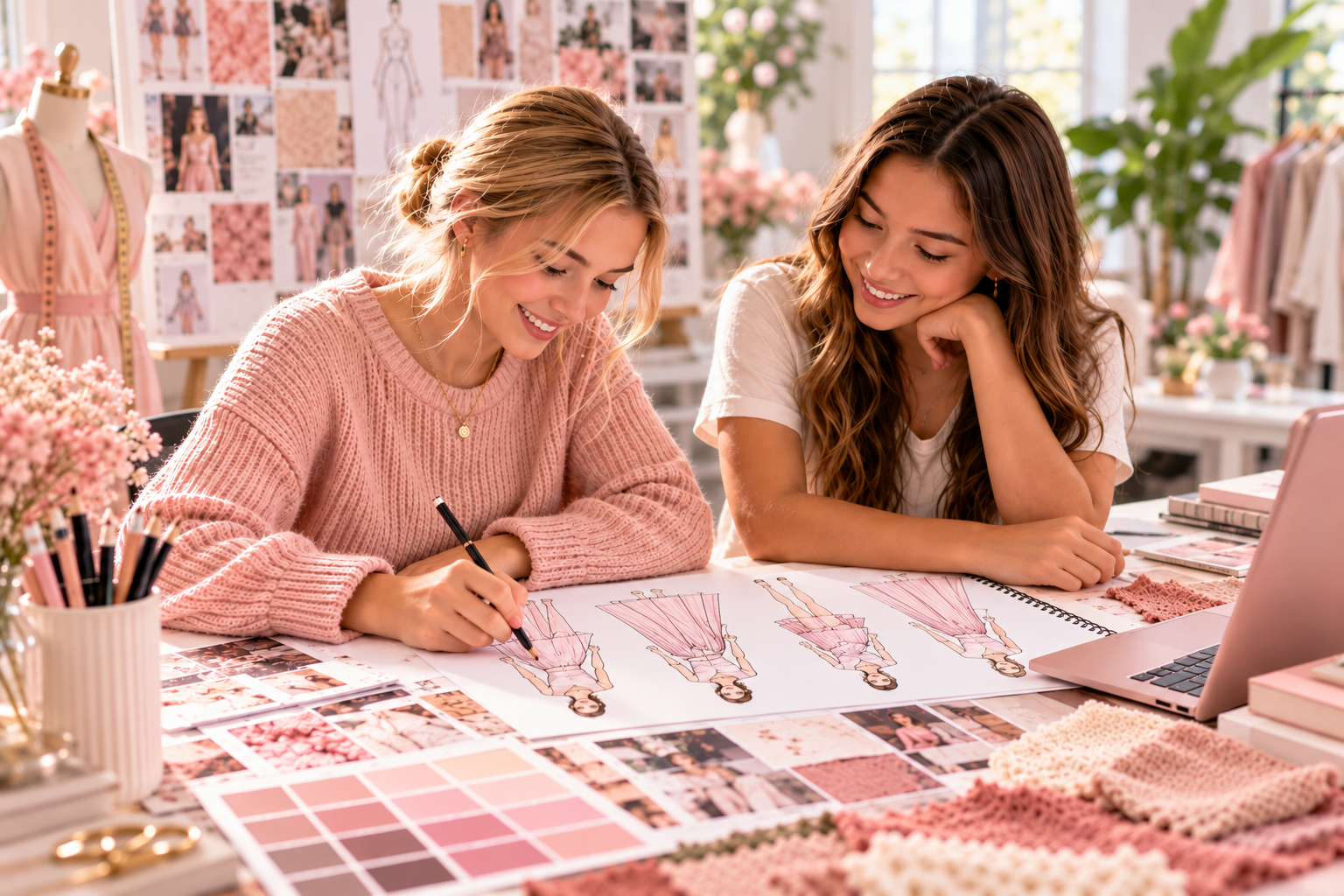
Learn Fashion Design Online With La Mode College
If you want to develop practical fashion design skills without committing to a full-time university degree, La Mode College offers an online learning pathway.
Our Certificate of Professional Fashion Design is designed for aspiring designers, career changers and people who want to develop their own clothing collections.
The course covers practical areas of fashion design, including:
- Fashion trend research and collection development.
- Digital fashion design and Adobe Illustrator.
- Technical fashion drawings.
- Garment measurements and specification sheets.
- Fashion tech packs.
- Fabric and textile knowledge.
- Commercial fashion design principles.
- Practical portfolio development.
The course is delivered online, allowing students to study at their own pace.
Why Practical Skills Matter
One of the most important lessons I’ve learned from working in the fashion industry is that creative ideas need to be supported by technical knowledge.
Designing a garment is one thing.
Communicating that design clearly to a manufacturer, understanding the fabric requirements and developing a product suitable for your target customer are different skills.
These are the kinds of practical capabilities aspiring designers should prioritise when choosing their training.
Start Building Your Fashion Design Skills
Whether your goal is to pursue a fashion design career or eventually create your own clothing brand, the first step is developing a solid foundation.
Explore the Certificate of Professional Fashion Design at La Mode College
Discover the course curriculum, study format and practical skills you’ll learn.
You can also request a free course brochure to explore whether the program is suitable for your goals.
Want to Start Your Own Clothing Brand Instead?
Not everyone who studies fashion design wants to work for an established fashion company.
Some people want to create their own clothing label.
If that’s your goal, you’ll need to combine design skills with an understanding of manufacturing, pricing, marketing and business development.
Our related guides can help:
How to Start a Clothing Brand in Australia
A practical guide to planning and developing a clothing brand.
How to Start a Profitable Clothing Brand
Learn about pricing, margins, marketing and common mistakes new clothing brands make.
How to Create a Fashion Tech Pack for Clothing Manufacturers
Learn how to prepare technical drawings, measurements and manufacturing specifications.
You can also explore La Mode College’s Start Your Own Fashion Line course if your primary goal is building a clothing business.
Frequently Asked Questions About Becoming a Fashion Designer
Can I become a fashion designer without going to university?
Yes. A university degree is not legally required to work as a fashion designer in Australia. However, employers may prefer candidates with relevant qualifications, practical experience and strong portfolios. Professional courses, vocational training and self-directed projects can help you develop skills, but the suitability of each pathway depends on the role you want.
What qualifications do I need to become a fashion designer in Australia?
There is no single mandatory qualification for all fashion design jobs in Australia. Employers may seek university degrees, vocational qualifications, professional training or equivalent practical experience. Review individual job advertisements to understand the requirements for your preferred role.
Can I become a fashion designer if I can’t draw?
Yes, you can begin learning fashion design even if you’re not confident at drawing. Fashion design involves research, digital tools, technical communication, fabric knowledge and product development. However, you’ll need to develop ways to communicate your designs accurately, including through technical drawings and digital design software.
How do I start learning fashion design as a beginner?
Start by learning fashion terminology, researching trends and creating mood boards. Then develop basic technical drawing skills, learn suitable design software and practise creating a small collection. As your skills improve, learn garment measurements, fabric selection and tech pack preparation.
Can I study fashion design online in Australia?
Yes. Online fashion design courses allow students to learn remotely. Some focus on creative design, while others include technical drawing, software, garment specifications and portfolio development. Compare course content, assessment requirements, student support and qualification types before enrolling.
How do I build a fashion portfolio without experience?
Create original projects that demonstrate your design process. A beginner portfolio could include trend research, mood boards, a collection plan, technical drawings, fabric selections and garment specifications. You don’t need previous paid design work to begin building a portfolio.
Do fashion designers need to know Adobe Illustrator?
Adobe Illustrator is a valuable skill for many fashion design roles, particularly those involving technical drawings and digital product development. However, software requirements vary between employers. Review job advertisements for the specific skills required in your preferred area of fashion design.
How long does it take to become a fashion designer?
The time required depends on your starting skills, study pathway and career goals. Beginners may develop foundational skills over several months of focused learning, while advanced technical expertise and professional experience take longer. Completing a course does not automatically qualify someone for every fashion design position.
Can I start my own clothing brand without a fashion degree?
Yes. A fashion degree is not generally required to establish a clothing business in Australia. However, you’ll need to understand product development, manufacturing, pricing, marketing and business operations. Learning fashion design and technical specifications can help you communicate more effectively with suppliers.
Is a fashion design certificate enough to get a job?
A professional fashion design certificate can help demonstrate that you’ve undertaken relevant training, but it does not guarantee employment. Employers may also assess your portfolio, technical skills, experience and qualifications. Check whether a particular job requires an AQF qualification or other specific credentials.
Final Thoughts: Your Fashion Career Can Start With Practical Skills
If you’ve always dreamed of becoming a fashion designer but thought university was your only option, it’s worth exploring the different pathways available.
A degree can provide valuable education and opportunities, but it isn’t the only way to begin developing fashion design skills.
What matters is understanding the industry, building technical capability and creating work that demonstrates what you can do.
Start by learning how fashion collections are developed.
Practise digital technical drawing.
Understand fabrics, garment measurements and manufacturing.
Build a portfolio that shows both creativity and practical knowledge.
And choose training that aligns with the type of fashion career or business you want to pursue.
Ready to take the first step?
Explore La Mode College’s online Certificate of Professional Fashion Design and discover how flexible, practical training can help you begin developing your fashion design skills.
Get a Course Brochure For Our Online Fashion Design Course Here:

Career information reviewed November 2026. Entry requirements, job opportunities and employer preferences vary. A professional course certificate does not guarantee employment or confer an AQF qualification unless the course is explicitly accredited and delivered under the applicable regulatory requirements.