
Fashion Design Courses for High School Students in Australia: A Guide for Teens and Parents
Does your teenager love fashion, spend hours sketching clothing designs, or dream of creating their own fashion label?
For Australian high school students interested in a creative career, learning fashion design before finishing Year 12 can be a valuable way to explore the industry, develop practical skills and begin building a fashion portfolio.
And students don’t necessarily need to wait until university or TAFE to get started.
Online fashion design courses, school-holiday programs and introductory fashion workshops can provide opportunities for students in Years 10, 11 and 12 to explore fashion design while continuing their regular schooling.
In this guide, we’ll explain what teenagers can learn, how online fashion courses work, what to look for in a program and how early fashion education may support future study and career decisions.
 Can high school students study fashion design in Australia?
Yes. Australian high school students can study fashion design through online courses, private training providers, workshops and school-holiday programs while continuing their secondary education.
Students do not necessarily need previous sewing or design experience to begin an introductory course.
For teenagers interested in fashion, this can be an opportunity to explore what professional designers actually do before committing to a longer university or vocational education pathway.
Importantly, fashion design involves much more than drawing beautiful clothes.
Professional fashion designers also need to understand fabrics, garment construction, technical drawings, product development, manufacturing and how to design clothing for a particular customer.
Learning some of these skills while still at school can help students decide whether fashion is simply a creative interest or something they would like to pursue professionally.
What are the benefits of studying fashion design during high school?
A fashion design course can help teenagers explore their interests in a structured way, develop practical creative skills and gain a clearer understanding of possible fashion careers.
There are several potential benefits.
1. Explore a fashion career before leaving school
Many students love fashion but have limited exposure to what happens behind the scenes in the industry.
A course can introduce them to the different stages of developing a fashion collection, from researching trends and creating designs to selecting fabrics and preparing information for manufacturing.
This can help students make more informed decisions about future study.
2. Start building a fashion design portfolio
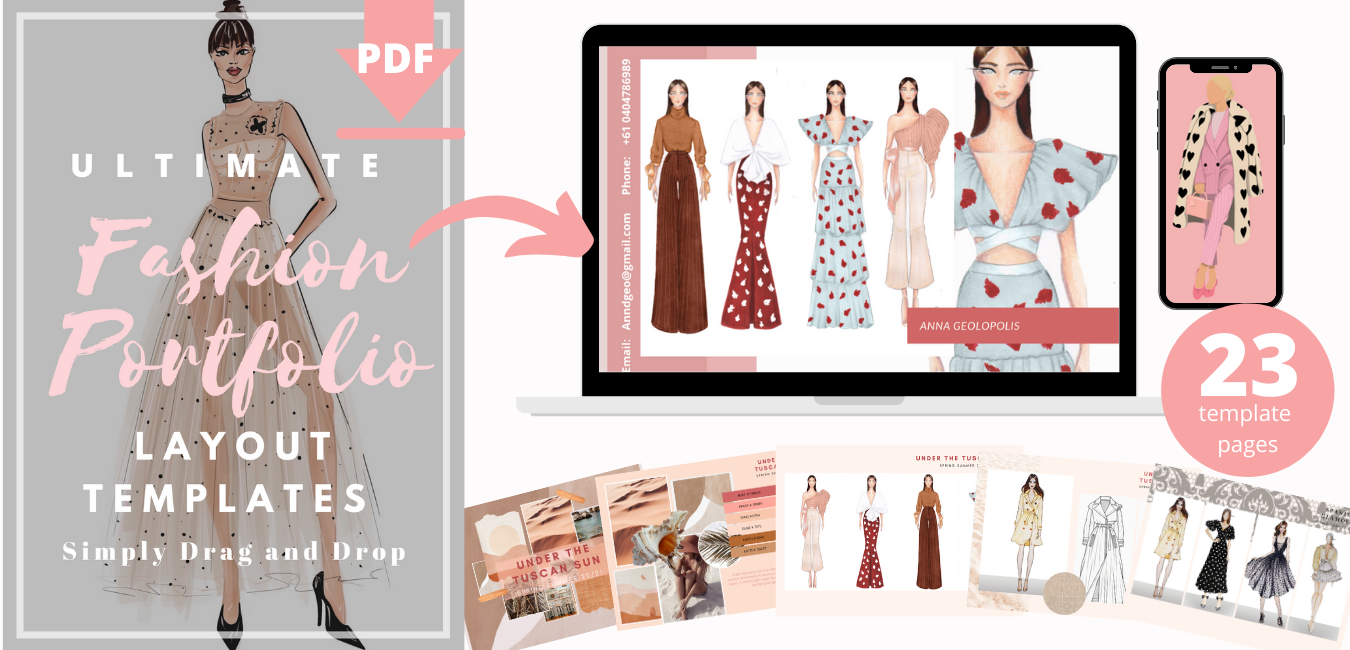
A fashion portfolio is a collection of work demonstrating a student’s creativity, design development and technical skills.
Depending on the course, students may produce fashion illustrations, mood boards, technical drawings, fabric research and collection concepts.
These projects can become the foundation of a portfolio that students continue developing throughout their education.
3. Develop practical and digital design skills
Fashion education can introduce students to industry-relevant creative tools, including digital illustration software and technical design methods.
Students may also explore how emerging AI tools can support aspects of the creative process while learning why fundamental design skills remain important.
4. Discover different careers in the fashion industry
Not every student interested in fashion wants to become a fashion designer.
Studying the industry can introduce career pathways in fashion buying, merchandising, product development, styling, textile design, ecommerce and fashion entrepreneurship.
5. Build confidence in a creative interest
Completing a design project can give students a sense of achievement and help them recognise their own creative strengths.
For some students, having the opportunity to explore a subject they genuinely enjoy can also provide valuable motivation outside their regular school curriculum.
 Can teenagers complete a fashion design course during the summer holidays?
Yes. The Australian summer school holidays can be a practical time for teenagers to complete an introductory online fashion design course or work through a structured fashion portfolio project.
The long break between school years offers an opportunity to explore a creative interest without the same demands as a normal school term.
A well-structured summer fashion program might include:
- Researching fashion trends and developing a mood board.
- Creating an original fashion collection concept.
- Learning fashion illustration and digital design techniques.
- Exploring fabrics and garment construction.
- Creating technical drawings of clothing designs.
- Preparing selected projects for a fashion portfolio.
The ideal program should have realistic time commitments, clear learning objectives and assignments that allow students to demonstrate what they have learned.
For students preparing to enter Years 11 or 12, a summer course may also help them explore possible career and study pathways before making important post-school decisions.
Can students learn fashion design online while attending high school?
Yes. Online fashion design courses can allow high school students to develop creative and technical skills outside normal school hours, provided the course workload is manageable alongside their existing commitments.
Online learning can be particularly useful for students living outside major cities or those without access to specialist fashion workshops nearby.
When comparing online courses, parents and students should look for clear lessons, practical assignments, accessible learning materials and appropriate guidance.
A course that encourages students to create and submit their own work can provide a more meaningful learning experience than simply watching videos.
What should teenagers learn in a beginner fashion design course?
A useful beginner fashion design course should introduce both the creative and practical aspects of the fashion industry.
At La Mode College, our educational approach focuses on helping students understand how fashion designs progress from an initial idea towards a commercially developed product.
Important areas of learning include:
Fashion research and trend forecasting
Students learn to research trends, identify inspiration and consider who they are designing for.
Fashion illustration and collection development
Students explore ways to communicate design ideas through sketches, digital illustrations, mood boards and coordinated collections.
Fabrics and textiles
Understanding different fabrics helps students make informed design decisions about the appearance, comfort and function of garments.
Technical fashion drawings
Students learn how designers communicate garment details using flat technical drawings, including front and back views.
Fashion tech packs and garment specifications
A tech pack is a technical document used to communicate a garment design to manufacturers. It can include technical drawings, construction details, measurements, fabrics and trims.
Fashion business and product development
Understanding the relationship between design, production costs, target customers and retail pricing helps students appreciate the commercial side of fashion.
These skills provide a more realistic introduction to the industry than fashion illustration alone.
Can a fashion design course help with a university or TAFE portfolio?
Yes. A fashion design certificate course can help students create original work that may be suitable for inclusion in a future portfolio, although portfolio requirements vary between institutions and programs.
A student might include:
- A fashion research and inspiration board.
- Original fashion illustrations.
- A coordinated collection of garment designs.
- Fabric and colour development.
- Front and back technical garment drawings.
- A print or textile design.
- A project showing how an initial idea developed into a finished design concept.
For portfolio-based applications, students should check the specific requirements of their preferred institution.
A portfolio should demonstrate the student’s own thinking, creativity and development process rather than simply presenting polished final images.

Do students need to know how to sew before studying fashion design?
No. Students can begin learning many aspects of fashion design without knowing how to sew.
Fashion design includes researching, illustrating, developing and communicating clothing concepts, while garment construction focuses on physically producing garments.
Both skill sets are valuable, but they are not identical.
Students can begin with fashion illustration, fabric knowledge, technical drawings and collection planning, then develop sewing and garment construction skills as their interests progress.
The entry requirements and practical components of individual courses should always be checked.
Can teenagers use AI to learn fashion design?
AI can support fashion education when it is used thoughtfully and combined with fundamental design knowledge.
For example, students may explore AI-assisted visual research, design concept development or digital presentation.
However, AI-generated images do not automatically provide accurate garment construction details, production measurements or manufacturing instructions.
Students should learn how to evaluate AI outputs, recognise technical errors and develop their own creative decisions.
At La Mode College, we believe understanding traditional fashion design skills alongside emerging technology is an important part of preparing for the evolving fashion industry.
Does a private fashion design certificate count towards ATAR or QCE?
Not automatically. Completing a private fashion design certificate does not, by itself, guarantee ATAR eligibility, QCE credits or recognition as a school subject.
A private fashion course may still provide valuable skills, portfolio work and career exploration even when it does not contribute formal secondary-school credits.
What fashion careers can students explore after Year 12?
Fashion is a broad industry offering creative, technical and commercial career pathways.
Students interested in fashion may explore careers such as fashion designer, fashion buyer, merchandise planner, textile designer, product developer, garment technician, fashion illustrator, ecommerce specialist or fashion business owner.
Different careers require different combinations of qualifications, technical skills and industry experience.
An introductory fashion course can help students discover which areas interest them before choosing further education or training.
How can parents choose the right fashion design course for their teenager?
The right course depends on the student’s age, interests, existing skills and goals.
Before enrolling, consider whether the program is suitable for beginners, what practical projects students will complete, whether the course includes technical as well as creative skills, and how much time students will need each week.
It’s also worth asking whether students receive feedback, what certificate is awarded, what software is required and whether the course is designed for independent online learning.
A good course should help students understand the fashion industry, not simply teach them to copy designs or create attractive images.
Explore fashion design with La Mode College
La Mode College offers online fashion education developed around the practical skills used in the fashion industry.
Our Certificate of Professional Fashion Design introduces students to important areas of fashion design and development, fashion portfolio development, including fashion illustration, collection planning, fabrics, technical drawings and professional design communication.
For high school students interested in fashion, studying these skills can provide an opportunity to explore the industry, develop original projects and begin building a portfolio.
The course may be considered by students looking for a structured learning experience during the school holidays or alongside their regular studies, subject to suitability and available time.
Explore the Online Fashion Design Course
 Frequently asked questions about fashion courses for teenagers
What age can you start learning fashion design?
There is no single minimum age for learning fashion design. Teenagers can begin exploring illustration, fabrics, collection development and digital design, although individual courses may have age requirements or require parental support.
Are there online fashion design courses for Year 10 students?
Yes. Year 10 students can explore introductory online fashion design courses and creative programs outside school, provided they meet the provider’s entry requirements and can manage the workload.
Can Year 11 and Year 12 students study fashion design outside school?
Yes. Students can undertake suitable private or extracurricular fashion training alongside their school studies. Any formal recognition towards school qualifications must be confirmed separately.
Is a summer fashion design course worth it?
A summer course can be worthwhile for a teenager who wants to explore fashion as a career, learn practical design skills or begin developing a portfolio. The value depends on the quality of teaching, projects and suitability for the student.
Do you need a fashion portfolio to start a beginner course?
Many introductory fashion programs do not require an existing portfolio. However, entry requirements vary. A beginner course can be a useful way to start creating portfolio projects.
What is the difference between a fashion design course and a fashion illustration course?
Fashion illustration focuses primarily on visually communicating clothing designs. A broader fashion design course may also cover research, collection development, fabrics, technical drawings, product development and manufacturing communication.
Can studying fashion design in high school help students decide on a career?
Yes. Early exposure to practical fashion skills and different industry roles can help students understand their interests and make more informed decisions about future education and career pathways.
About the author
Annette Miller is the Course Principal at La Mode College and an experienced fashion designer, educator and entrepreneur. Her industry experience includes developing and manufacturing fashion collections, building a successful clothing label and working across fashion design, product development and commercial fashion business.